
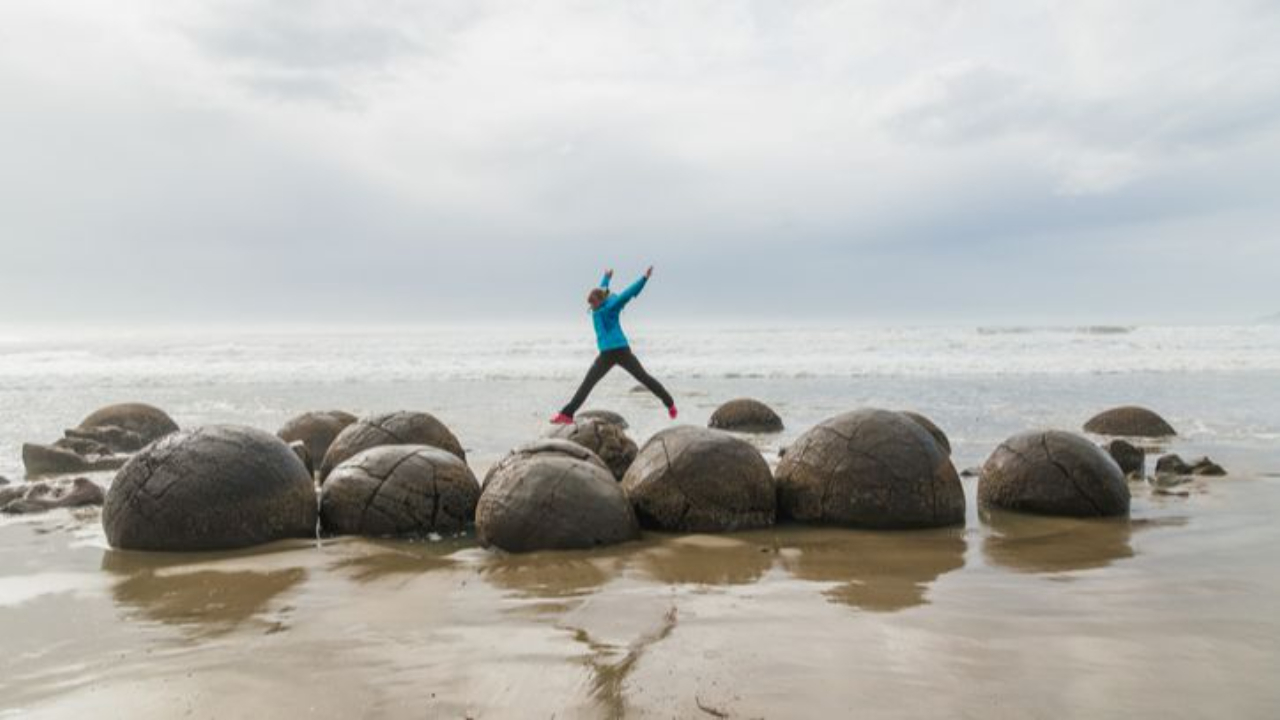
While ageing brings change, much of what people attribute to ageing is actually something far more reversible - it’s deconditioning. "It's just old age" is something I hear almost daily from my clients. If you avoid the stairs, feel stiff when walking, or are losing confidence when balancing, these are all signs that you are becoming deconditioned. It's empowering to know that you can work towards overcoming these issues through Pilates so you can enjoy healthy and active retirement years.
What Ageing Actually Does
There are genuine physiological changes that occur as we move through our 50s, 60s, 70s and beyond. We lose muscle mass gradually (sarcopenia) while our bone density reduces, particularly after menopause. Recovery can take longer. Connective tissues become less elastic. This is the reality of ageing. But here is the important part: Ageing does not automatically cause pain. It does not automatically cause stiffness. And it certainly does not automatically remove strength and balance. What accelerates those changes is inactivity.
The Quiet Drift Into Deconditioning
Deconditioning rarely happens dramatically. It happens more subtly. Before the pandemic, I used to include jumping from one rock to another at the bay on my daily walk. During lockdown, I stopped doing this for a while and walked closer to home with fewer challenges. When I eventually went back to my original course, I baulked at the rocks. I feared falling for the first time ever. I tried to override my fear, but I couldn't. I had lost condition on the easier walking course without realising it, and my personal Pilates practice schedule had also been reduced. It all happened gradually and deceptively; I didn't feel any different. until I got to the rocks. I've since regained my fitness, overcome that fear and have gone back to what I used to do on the rocks. But it took time and effort to get back to where I was, and this is something many people would never regain. Other ways deconditioning can happen are when you stop lifting heavier objects. You avoid kneeling because it feels uncomfortable. You turn your whole body instead of rotating your spine. You hold the bannister “just in case.” You stop getting down to the floor. None of these choices seems significant in isolation. But over time, they reduce load, reduce variability, and reduce confidence. Muscles that are not challenged weaken. Bones that are not loaded lose density. Joints that are not moved through the full range stiffen. Balance that is not maintained declines.
The body adapts to whatever you consistently ask of it.
Pain Is Often A Capacity Issue
One of the biggest misconceptions I see is that pain equals damage, and this isn't always the case. More often in the 50+ population, pain can reflect reduced tolerance. If your hips have not been loaded, a long walk feels threatening. If your spine has not rotated for a long time, gardening triggers stiffness. If your legs have not been challenged, stairs feel daunting. This is not fragility. It is a reduced capacity.
And capacity can be rebuilt.
The Good News: Decconditioning Is Reversible
The body remains remarkably adaptable — well into our 70s, 80s and beyond. Muscle responds to progressive load, and bone responds to weight-bearing.
Balance improves with practice. Mobility improves with intelligent movement. I have worked with clients who believed they were “too old” to regain strength — only to discover they simply hadn’t been challenging their bodies appropriately. Within months, their confidence shifts. Their posture changes, and their movement becomes smoother. Their world expands again. Not because they got younger, but because they got stronger.
The Mindset Shift
The most powerful change is often not physical — it is psychological. When we believe decline is inevitable, we move cautiously. When we move cautiously, we reduce the load. When we reduce load, we decondition. When we decondition, things feel harder. And the cycle reinforces itself. Breaking that cycle requires graded, thoughtful exposure to movement — not reckless intensity, but progressive challenge. The goal is not to prove anything. It is to rebuild trust in your body.
Ageing Is Not The Enemy
Ageing is natural. Loss of capacity through underuse is optional. The question to ask yourself is not: “How old am I?” It is: “When did I last challenge my strength, balance, or mobility?” If something feels harder than it used to, it may not be your age speaking. It may simply be your body asking for stimulus. And that is something we can work with.
If you are ready to start your Pilates journey to maintain strength and condition as you age, email me at [email protected] . Alternatively, you can book an Initial Assessment with me here or take the free 10 day trial of JS Mind Body Pilates, my online studio which is a library of on-demand videos, and start straight away. It would be my pleasure to assist you in enjoying a happy, healthy retirement!
If you are ready to take control of your own health and fitness then download your free copy of my detailed guide.
Categories
All Categories 20 years of pilates 2021 pilates highlights 2022 reflections 2023 pilates highlights 4 health conditions pilates can help you prevent 5 ways to reduce pain active ageing active ageing & pilates avoid alcohol to protect your health avoid shrinking in height balance training & pilates be proactive with pilates become pain-free with my pilates challenges body awareness body types breathing for relaxation cancer survivor causes of chronic pain change your brain with pilates client spotlight delirium different types of pilates classes eldest pilates client glutes & pilates gratitude & chronic pain health & fitness health & fitness anti-inflammatory diet health & wellbeing healthy lifestyle habits healthy winter comfort food knee injuries know your body lumbar disc issues mind-body connection mind-body connection of pilates move change heal movement heals my approach to pilates my book move free from pain my pilates vision for you neuroplasticity organic lifestyle osteoporosis prevention pain-free living pain-free living with pilates pain-free travel pain-free with pilates physical pain - emotinal connection pilates pilates & a 10 year health plan pilates & active ageing pilates & active aging pilates & ageing pilates & anatomy pilates & arthritis pilates & awesome ageing pilates & back pain pilates & balance pilates & brain health pilates & cfs pilates & chronic pain pilates & consistency pilates & control pilates & covid-19 restrictions pilates & dementia pilates & disc issues pilates & fall prevention pilates & fascia pilates & feet pilates & foot pain pilates & functional movement pilates & glutes pilates & habit stacking pilates & health pilates & health goals 2019 pilates & healthy bones pilates & healthy diet pilates & hypermobility pilates & incidental movment pilates & inflammation pilates & injury prevention pilates & knee pain pilates & knee replacement pilates & mental health pilates & mind body connection pilates & motivation pilates & osteoporosis pilates & pain free living pilates & pain-free living pilates & pelvic floor pilates & posture pilates & pregnancy pilates & pursuing your dreams pilates & reducing menopausal weight gain pilates & rotator cuff injury pilates & self care pilates & sleep injury pilates & spine health pilates & staying hydrated pilates & the silver lining in the covid crisis pilates & travel pilates & upper body strengthening pilates & walking pilates & wellbeing pilates & wellness pilates - adaptable for every body pilates and active ageing pilates and fall prevention pilates and pain-free necks pilates at home pilates client spotlight pilates during cancer pilates during challenging times pilates for active ageing pilates for active aging pilates for ageing well pilates for back pain pilates for busy people pilates for children pilates for chronic pain pilates for everybody pilates for heart health pilates for hip pain pilates for menopause & beyond pilates for pain free living pilates for pain-free living pilates for post-surgery recovery pilates for pre & post surgery pilates for self care pilates for seniors pilates for stress relief pilates health & fitness pilates highlights pilates in challenging times pilates in lockdown pilates inpiration pilates inspiration pilates is for everyone pilates is unique pilates momentum pilates online pilates online faq pilates practice tips pilates q & a pilates solutions for back pain pilates teacher pilates teacher qualifications pilates to assist with staying active pitfalls to avoid when teaching yourself pilates postural pitfalls to avoid prioritising pilates self-management of pain solutions for chronic pain starting pilates take time for youself with pilates virtual pilates virtual pilates for chronic pain year in review